15+
Years restoring land for nature
600+
Acres under long-term care
18
UK sites restored and managed
150k+
Native trees planted and cared for
30+
Ponds and wetland features created
70+
Wildflower species recorded at a single restored site
100s
Volunteers and partners involved each year
900+
Wildlife Species
Independently Recorded
Combating climate change and conservation are not separate aims.
Restoring woodland, rebuilding habitats, and managing land will draw carbon from the atmosphere while creating the conditions wildlife needs to recover. Our approach connects climate action with biodiversity gain, ensuring that carbon offsetting is rooted in real landscapes and long term stewardship rather than abstract accounting.
A 26-acre field in North Yorkshire is bought to give something back to nature. The first 20,000 trees are planted.
Woodlands establish. Ponds are dug. Wildflowers return. Insects, birds and mammals follow.
The success of the first site leads to the creation of Make It Wild, with a commitment to repeat this work elsewhere.
Make It Wild now manages and restores over 600 acres across multiple UK sites, working with individuals, businesses, volunteers and landowners to support biodiversity recovery.
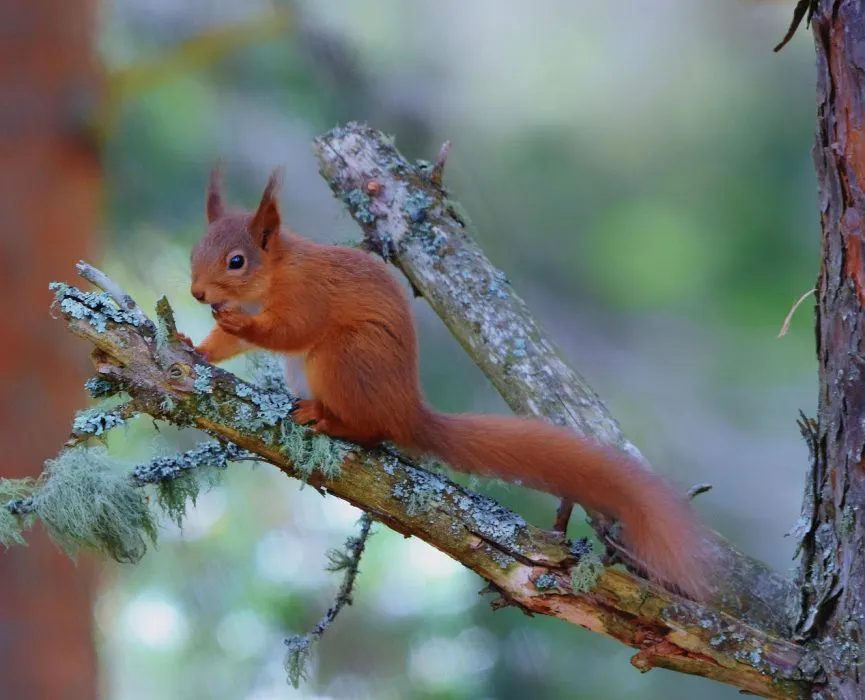
Carbon Offsetting through Christmas Tree Adoption
Learn More
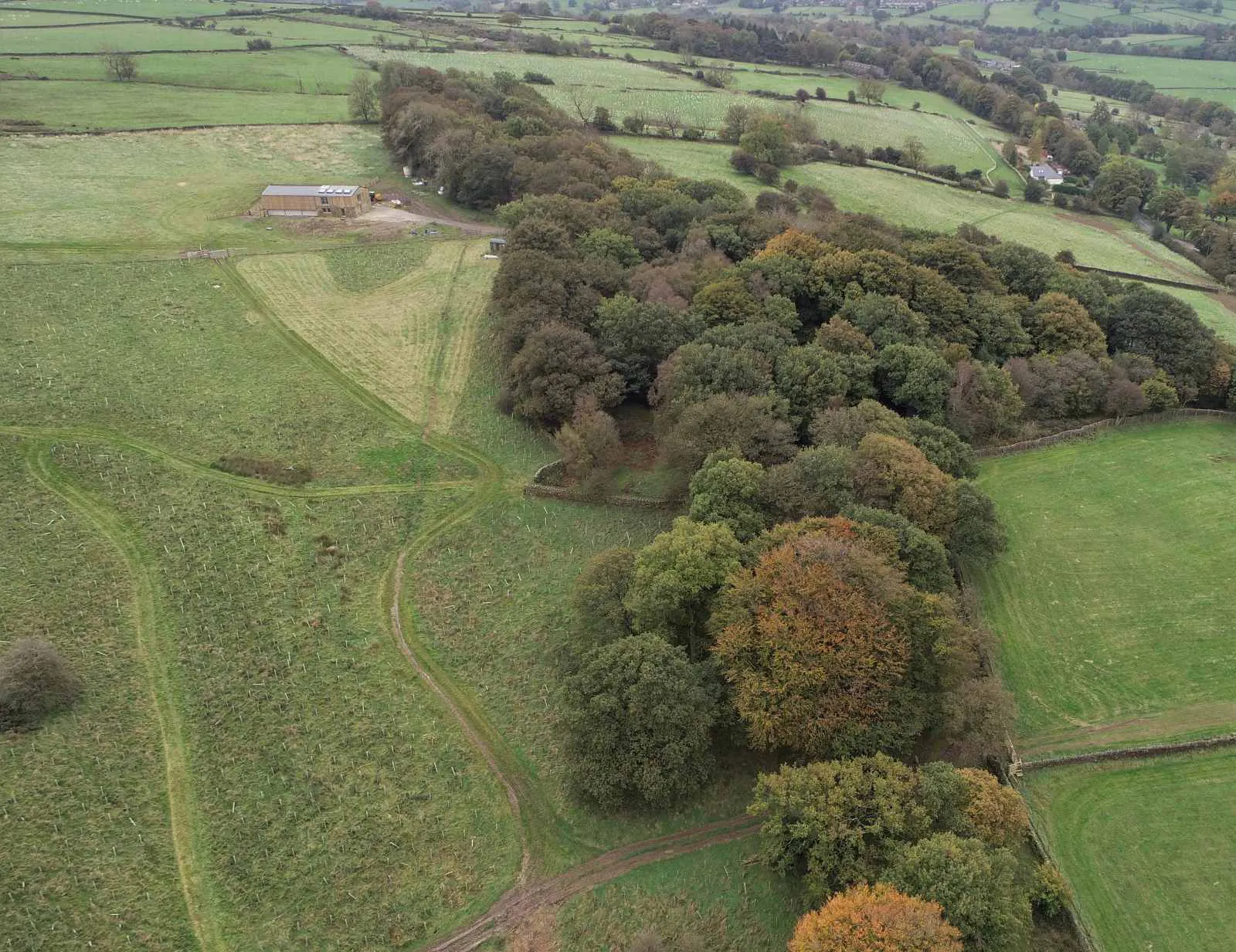
A uniquely wild venue for your meeting.
Our unique meeting venues are set in private grounds of 110 acres, which is a designated Site of Importance for Nature Conservation.
Learn More
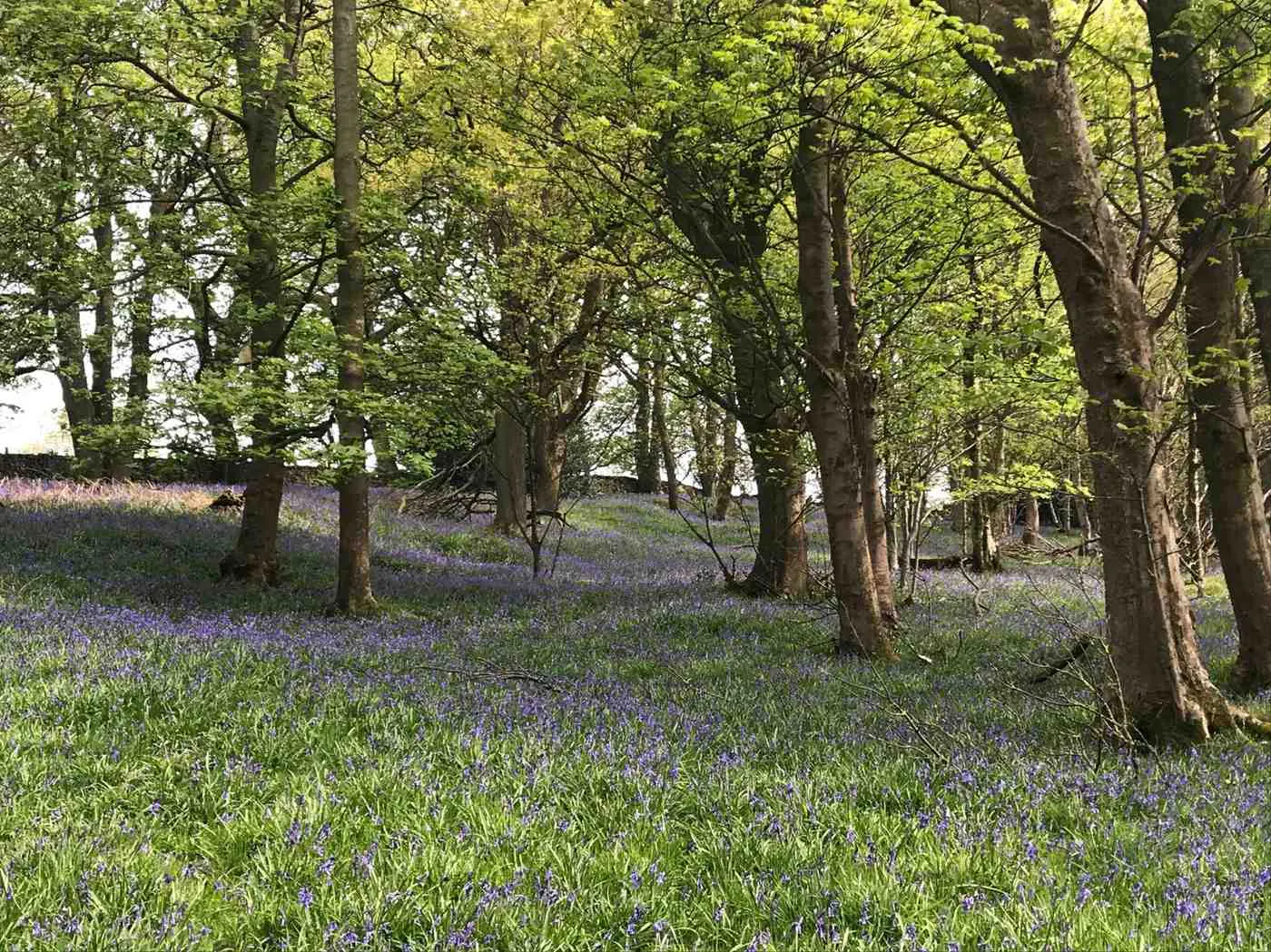
We were delighted to acquire this 111 acre (45 ha) site at Bank Woods, just outside Summerbridge, near Harrogate, in 2017. With its steep gradients, and varying habitats, we knew it had wonderful potential for rewilding.
Learn More
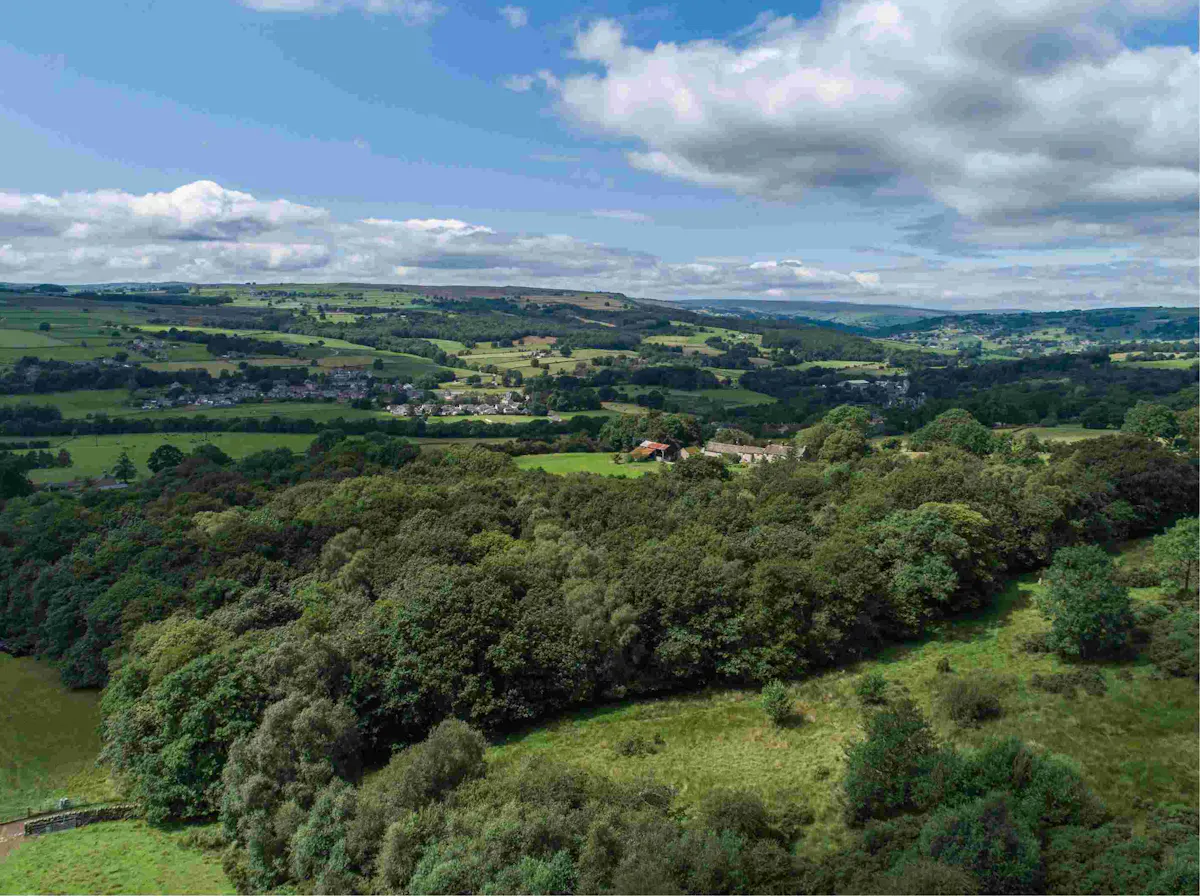
Bramall Farm is focused on progressive land management that places nature recovery at the centre of commercial agriculture.
Learn More
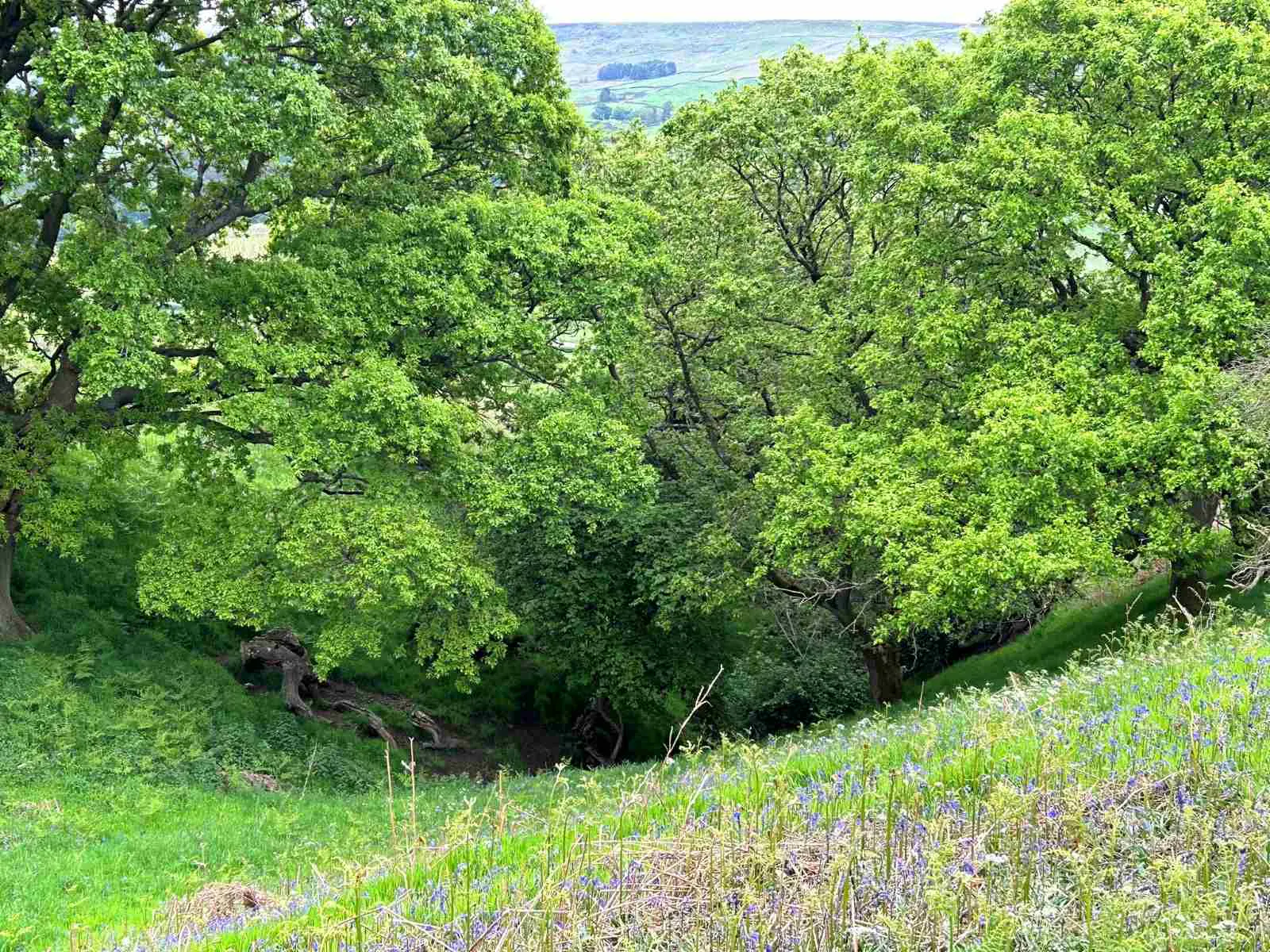
Early in 2024 we became custodians of this lovely 65 acre site.
It starts on the bank of the River Seph, with lots of wonderful veteran trees. There are also some spectacular old trees alongside Breck Gill, and in our other ghylls too.
Learn More
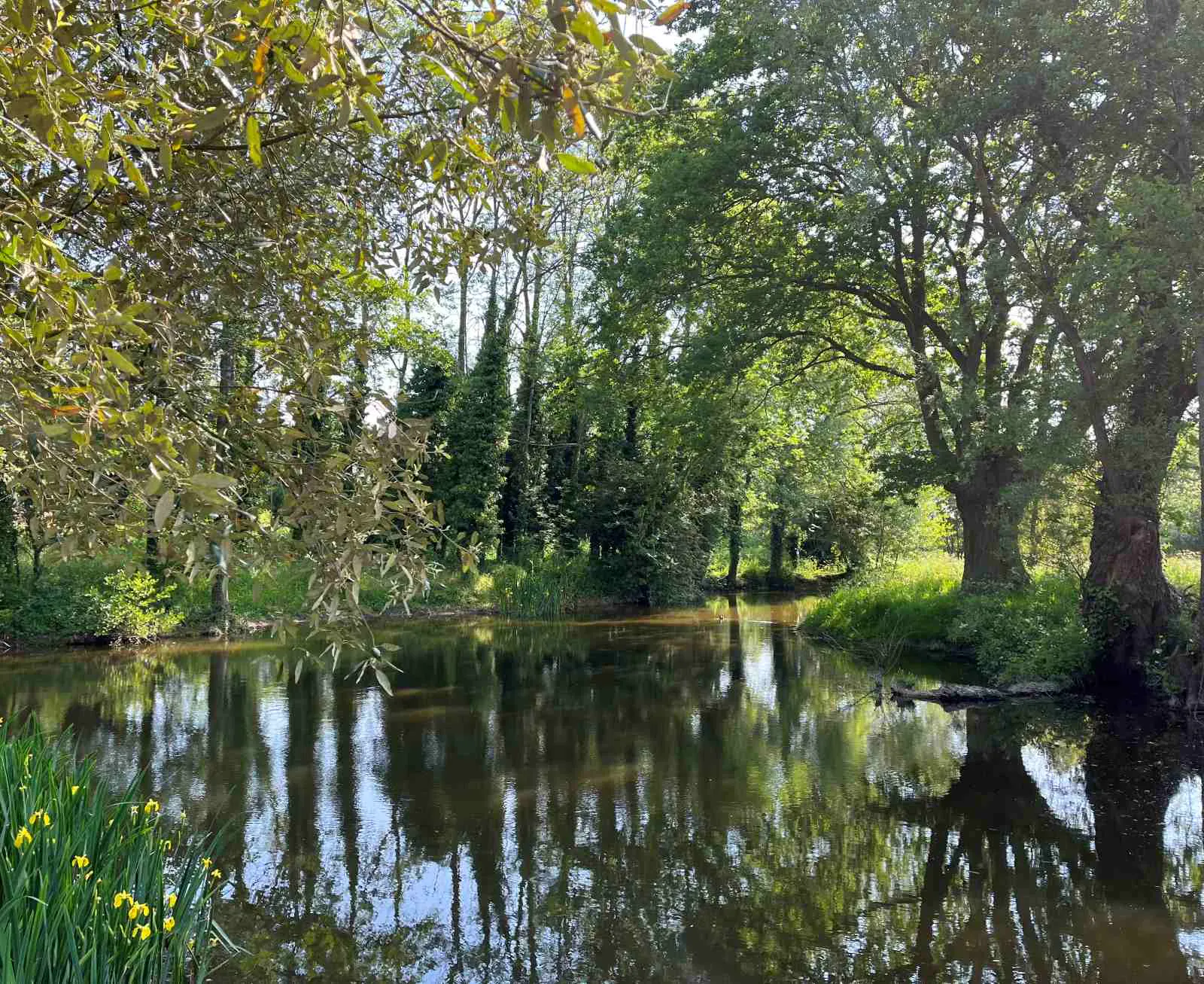
Covenhope is one of Make it Wild's UK-wide network of sites. All these sites are managing their land for nature; creating and improving habitat; supporting ecological restoration and biodiversity in a variety of ways.
Learn More
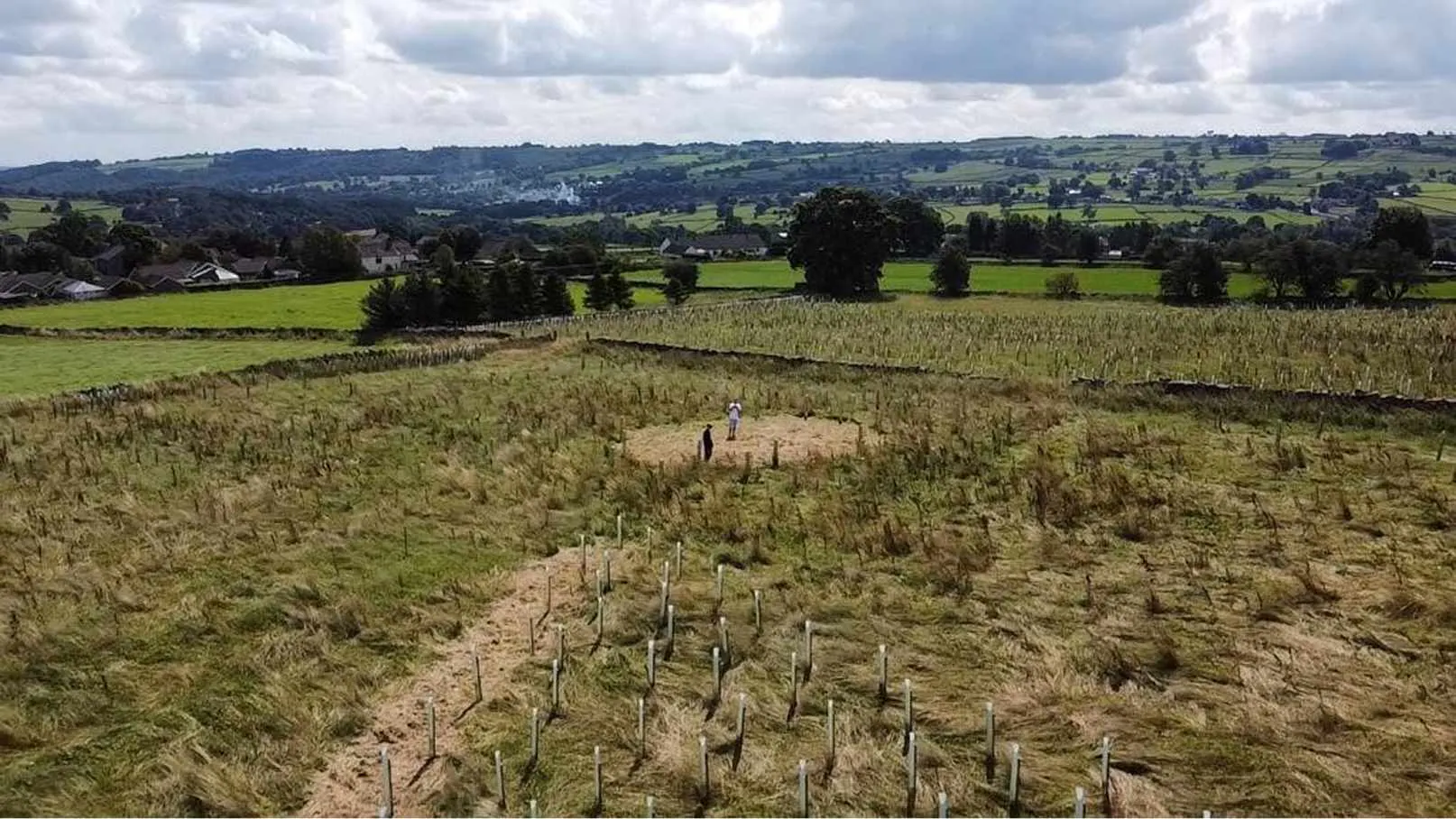
Just across the Nidd valley from Bank Woods are our young woodlands on Dacre Lane, which total just over 5 acres.
Learn More
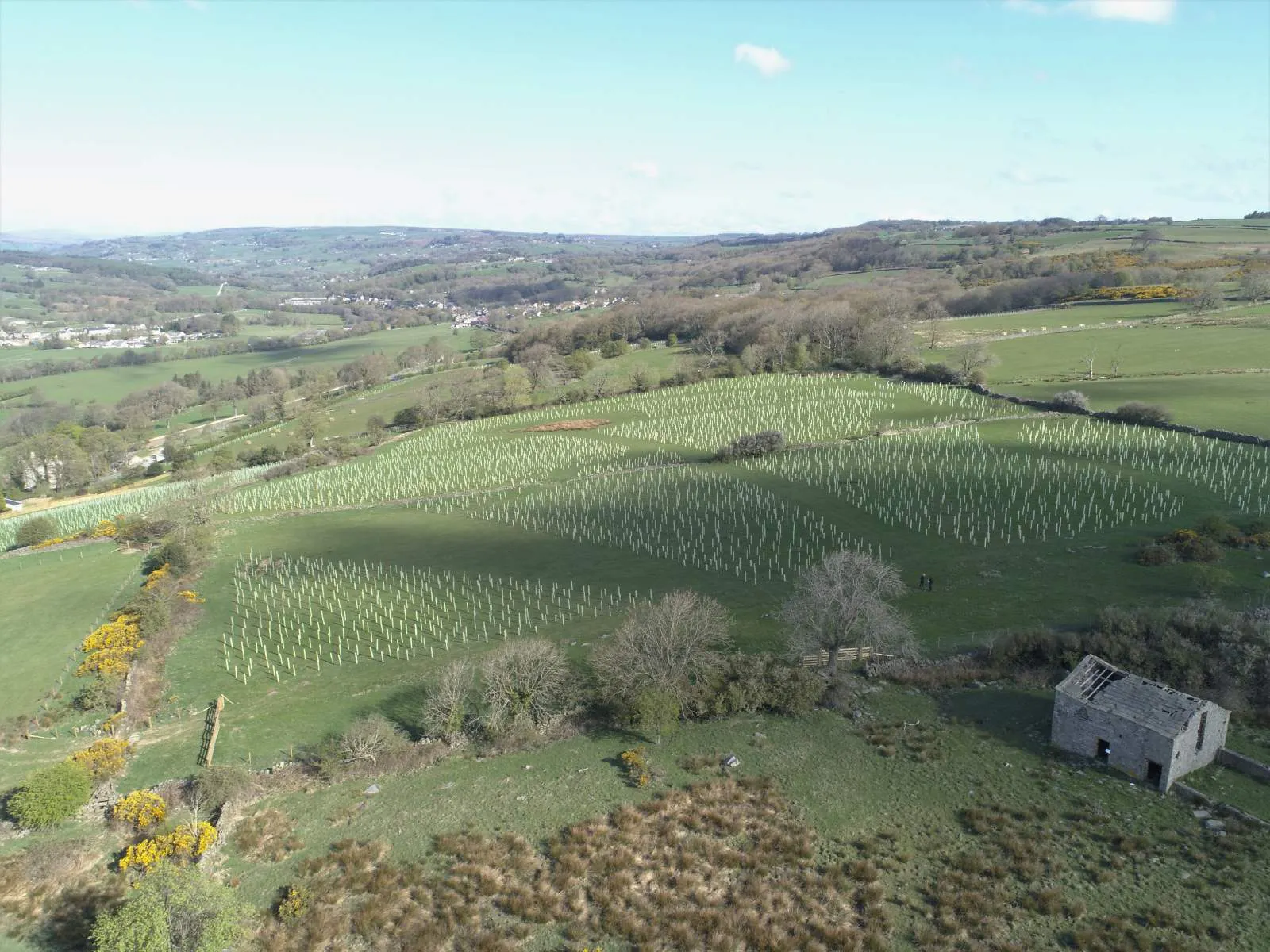
In September 2019, we were delighted to acquire 44 acres of land called Dowgill Grange. This land adjoins Bank Woods, and has its own access from the B6165 just south of Summerbridge, Nidderdale.
Learn More
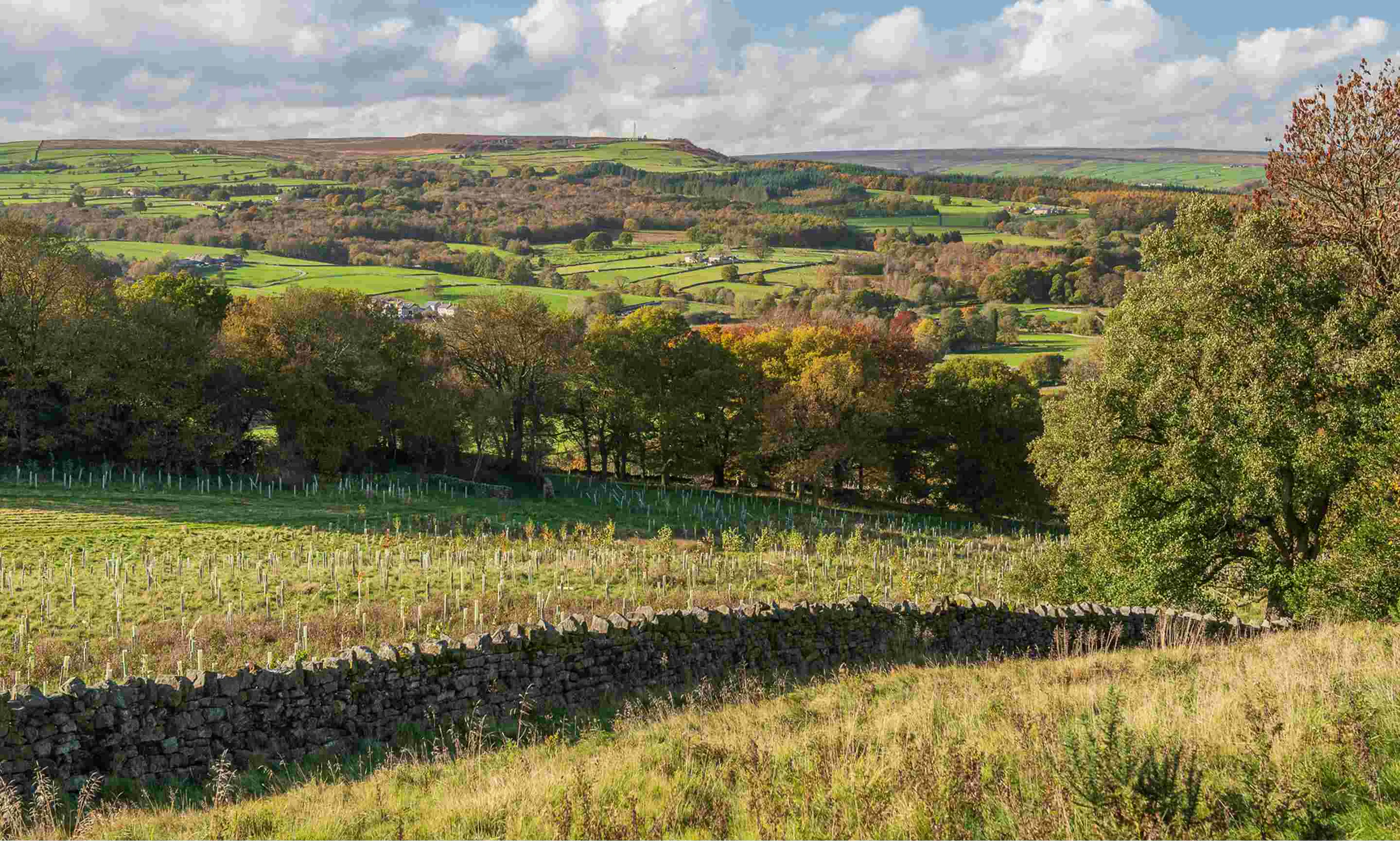
Fraser Farms is one of Make it Wild‘s UK-wide network of sites. All these sites are managing their land for nature; creating and improving habitat; supporting ecological restoration and biodiversity in a variety of ways.
Learn More
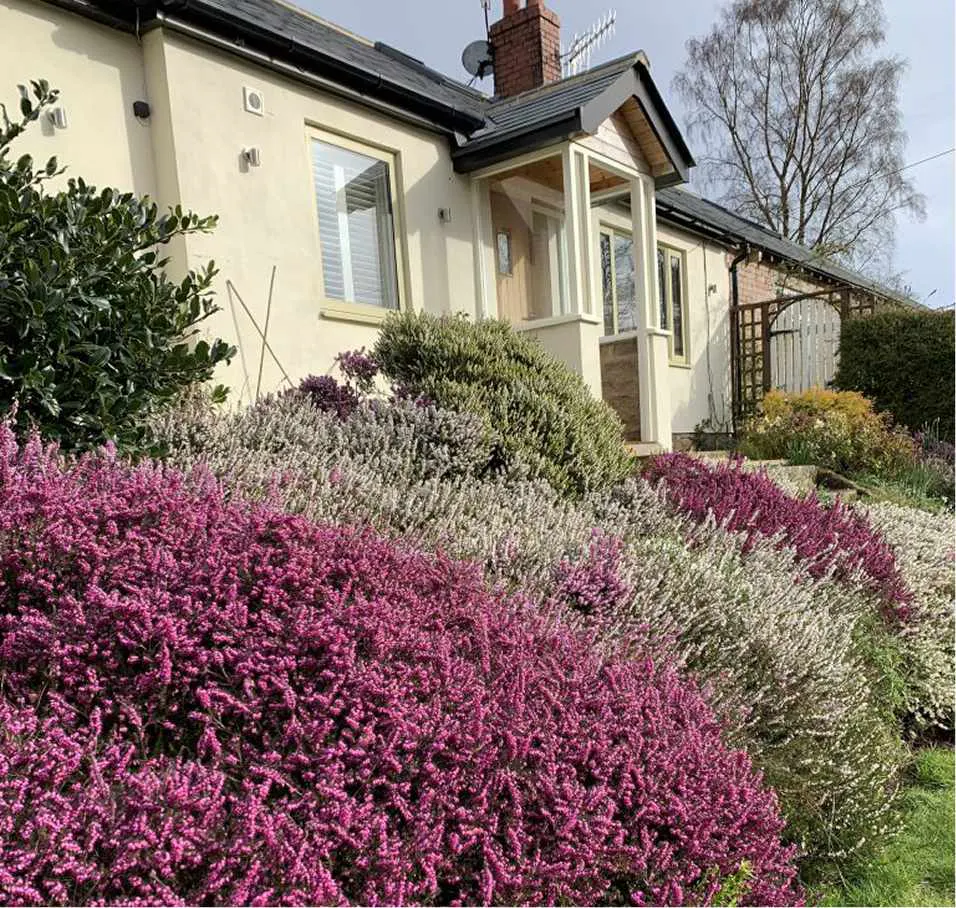
Our beautiful, award-winning, eco-friendly holiday cottage adjoining Bank Woods and Dowgill Grange is ready to welcome you! It nestles in the gorgeous Nidderdale Area of Outstanding Beauty and has wonderful views.
Learn More
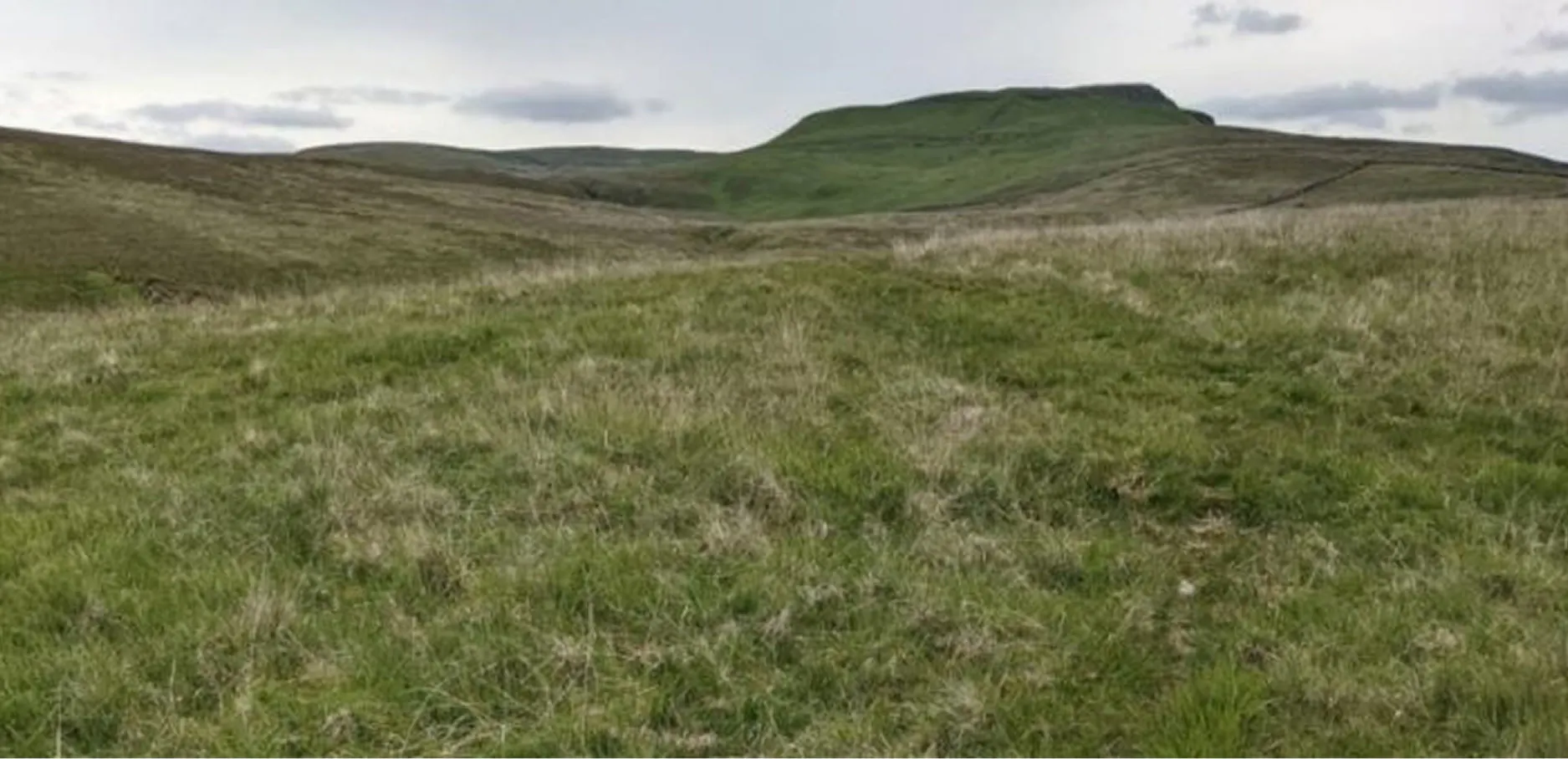
It is 111 acres in size, and includes some upland pasture, but is mostly moorland with the potential for peat formation. It is criss-crossed by little streams, and includes lots of interesting relief.
Learn More
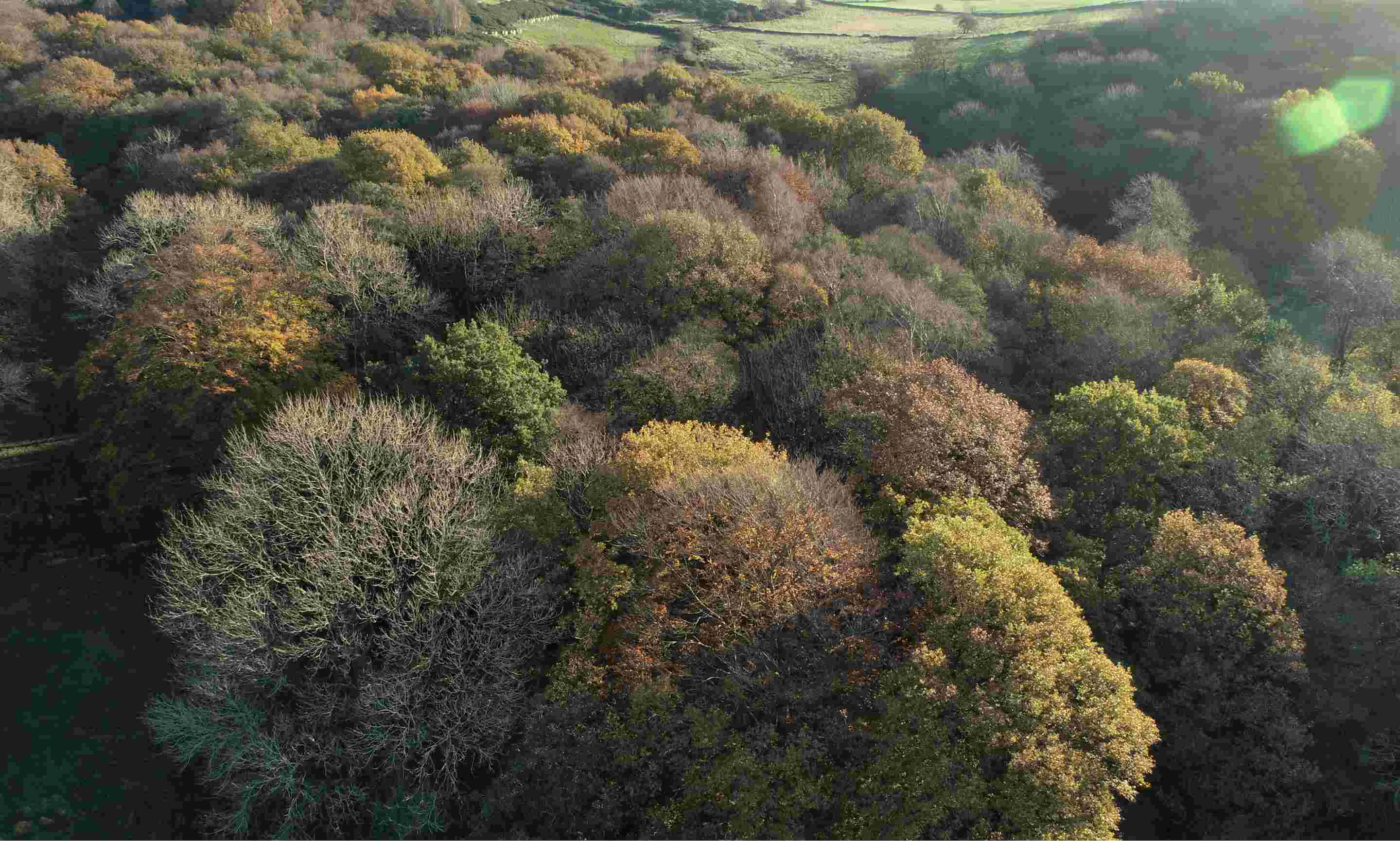
In March 2025 we completed on the purchase of a beautiful site of 79 acres, adjoining Brimham Rocks. This site is under the joint ownership of Make it Wild and Foundation IT.
Learn More
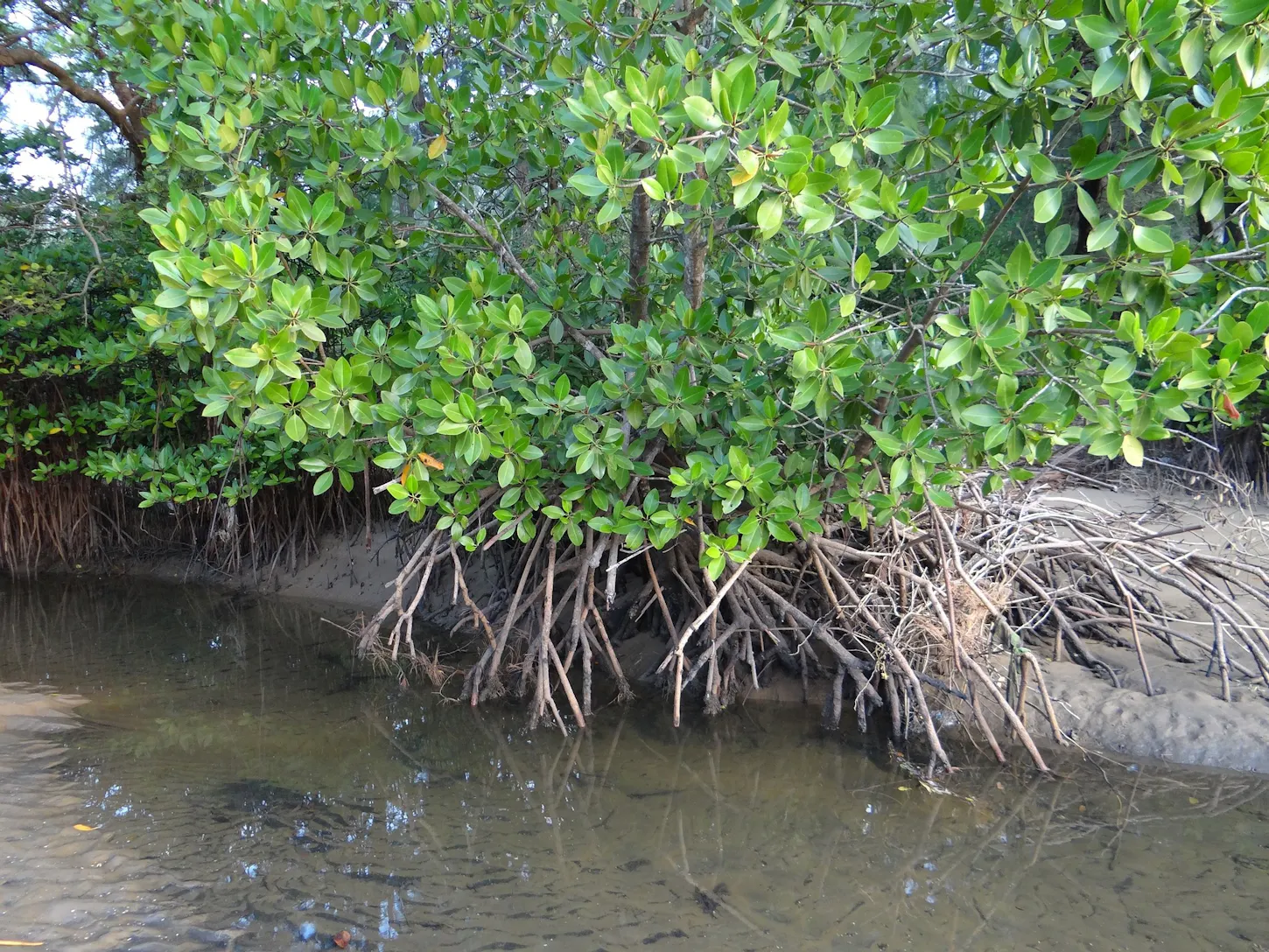
We are delighted to be working with a trusted partner to deliver an alternative to our UK based woodland creation and rewilding projects.
Learn More
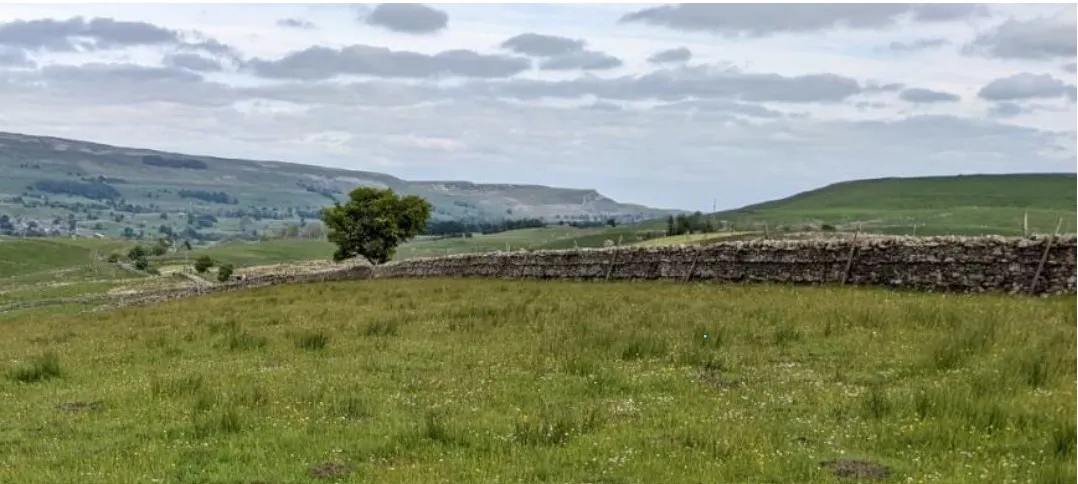
We were delighted to take on this 32 acre site in Wensleydale, in late 2022.
This is largely traditional meadow, divided into two fields.
Learn More
Rockscape Farm joined the Make it Wild network in 2026.
Learn More
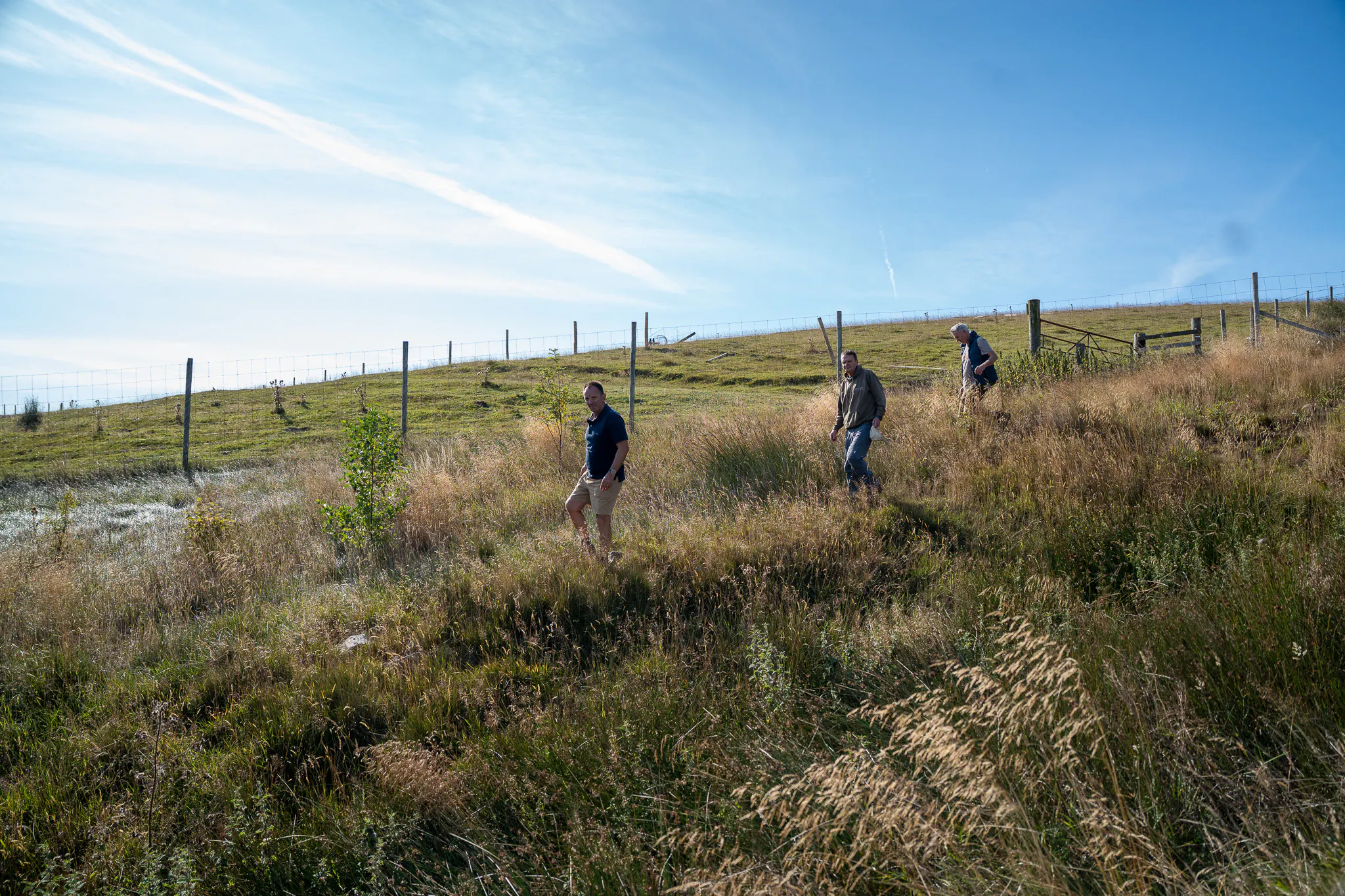
Rowan Tree Farm is one of Make it Wild‘s UK-wide network of sites. All these sites are managing their land for nature; creating and improving habitat; supporting ecological restoration and biodiversity in a variety of ways.
Learn More
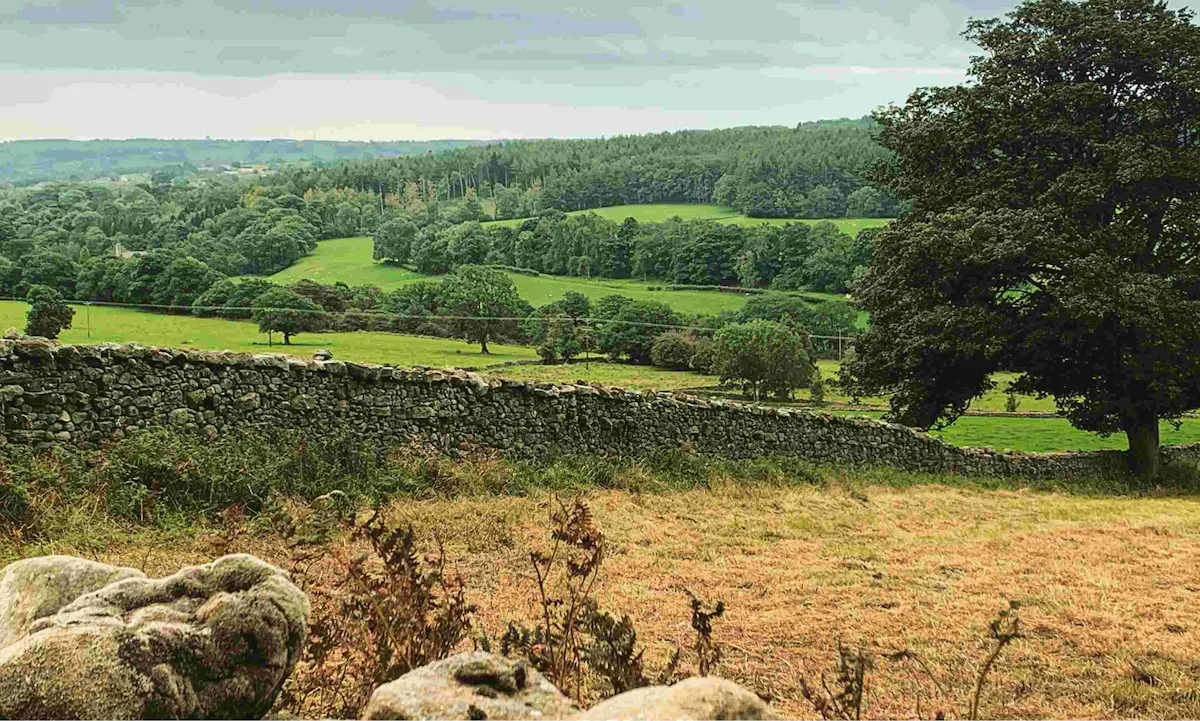
Sandlands Woods is located near Boroughbridge. It's a newly planted 10 acre site, with three woodland compartments at the edge of the village of Great Ouseburn.
Learn More
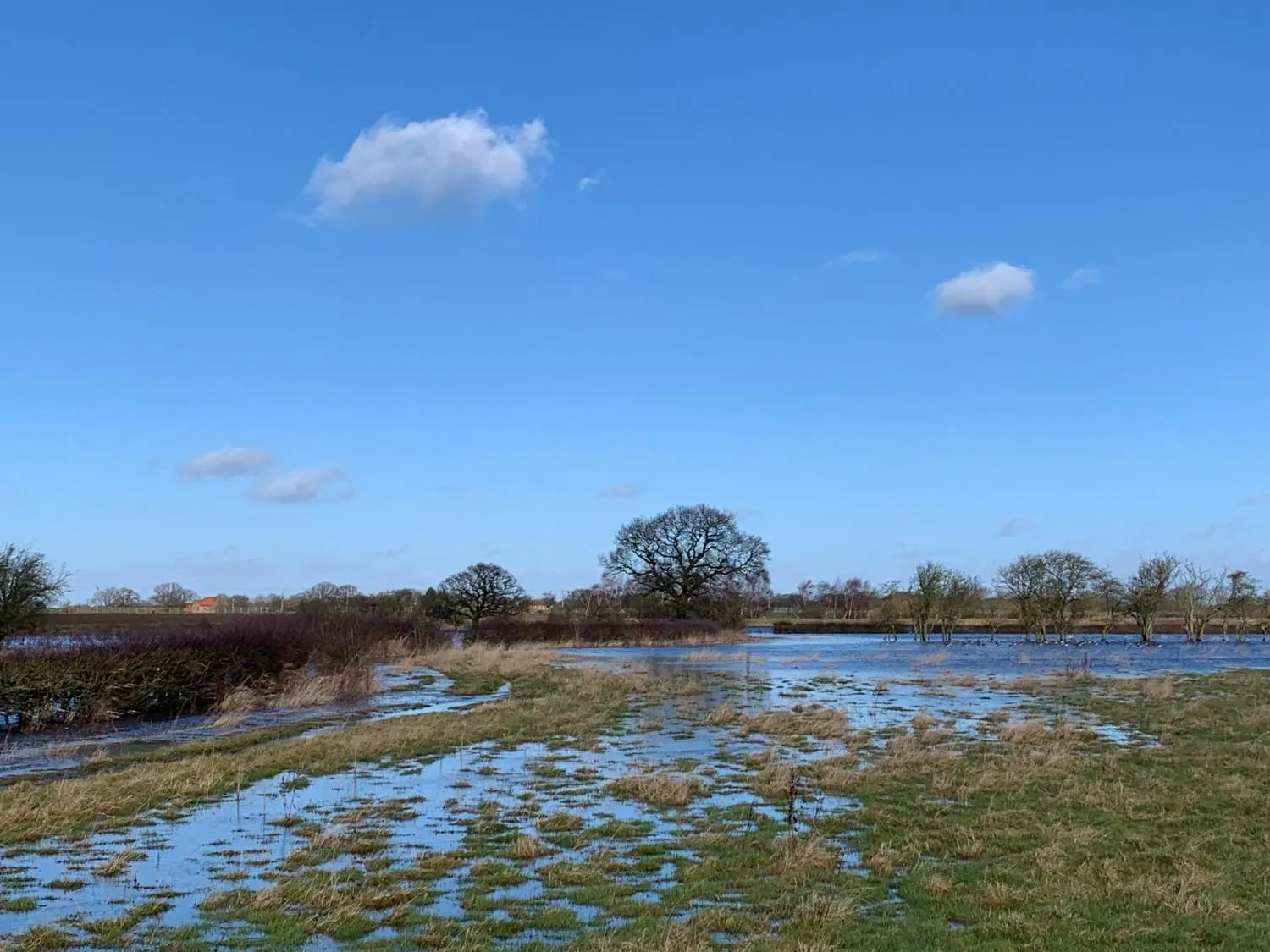
We are delighted to commence rewilding and habitat creation and restoration for biodiversity at our new site, located near Green Hammerton, just off the A59 between Harrogate and York.
Learn More
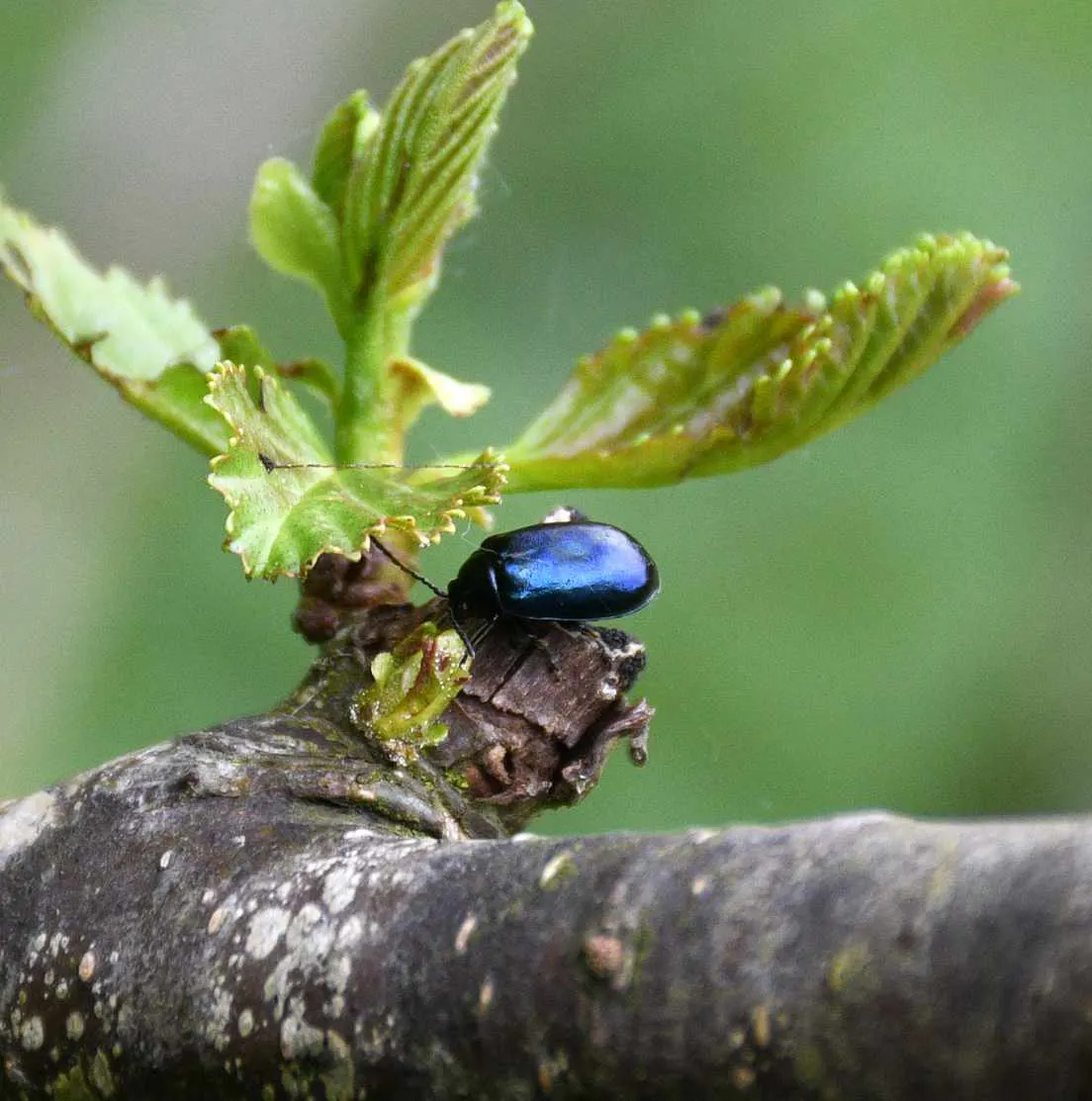
Sylvan Nature Reserve was our first habitat creation project. In 2010 we bought 25 acres (10 ha) of rough pasture, on the banks of the River Nidd, adjacent to the village of Kirk Hammerton near York.
Learn More
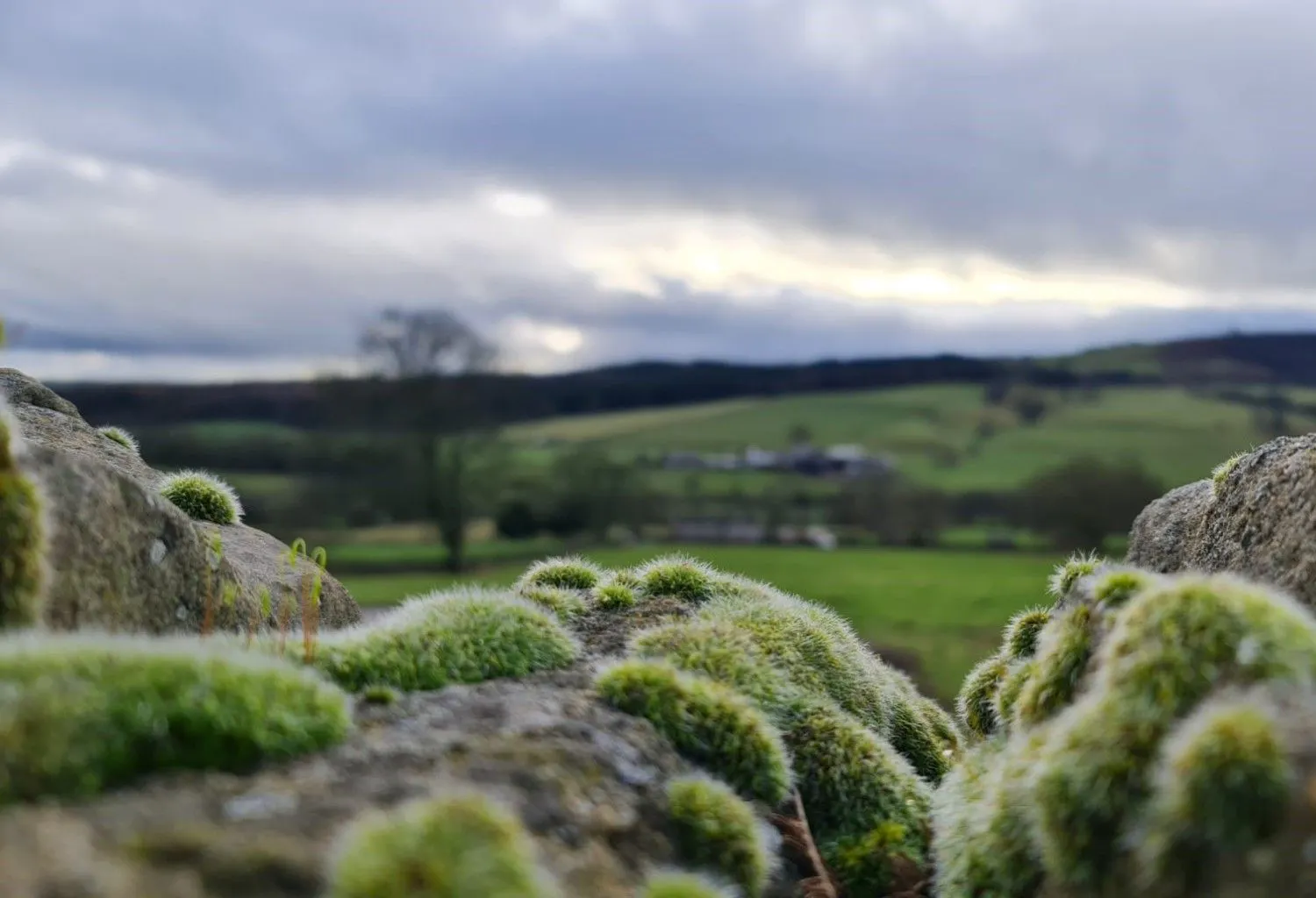
This is our dedicated Memorial Woodland. Here we plant our very special memorial trees, incorporating the cremation ashes of loved ones.
Learn More
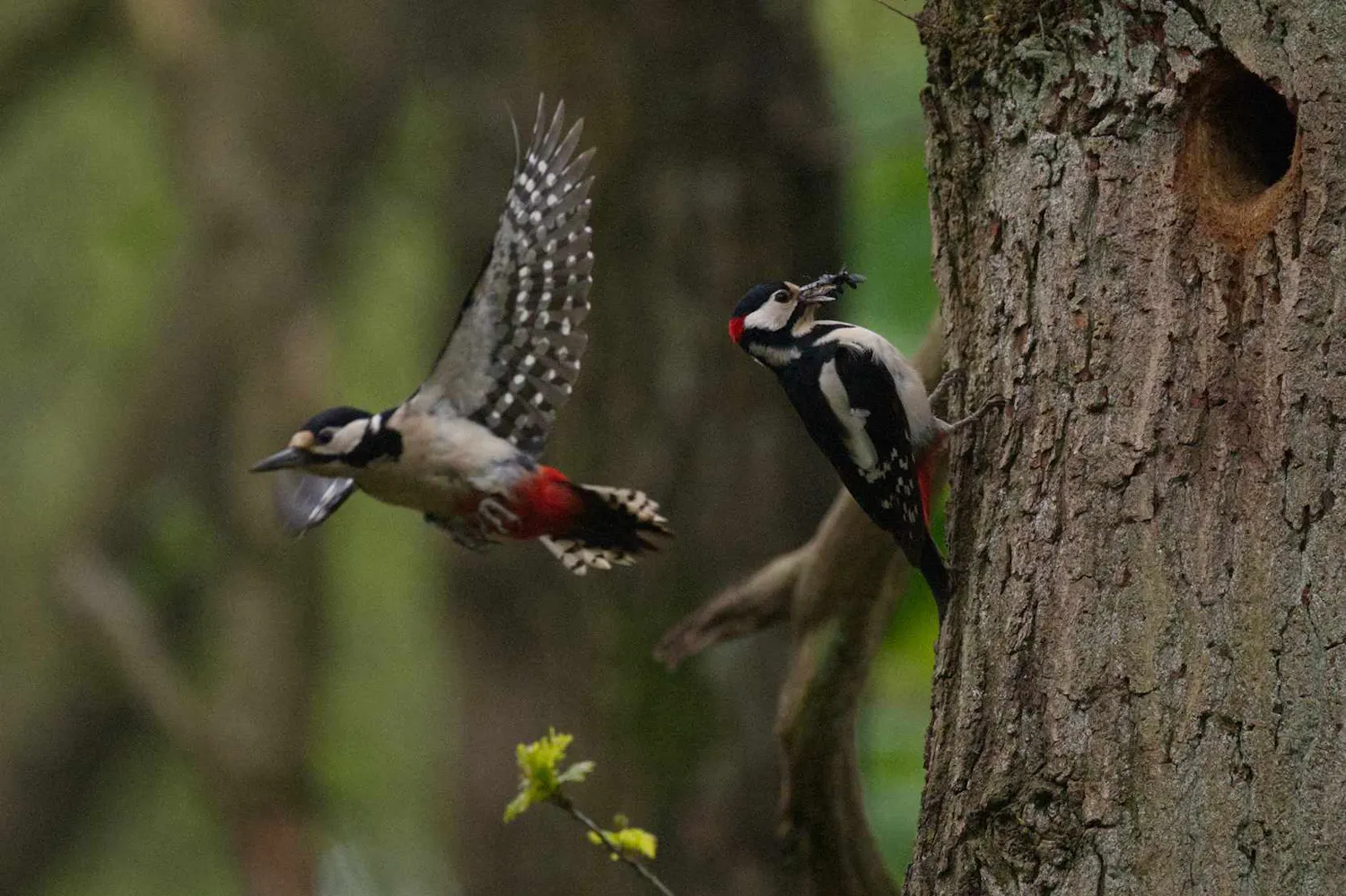
We were delighted acquire, in 2021, a piece of land adjacent to Sylvan Nature Reserve, to enlarge our land-holding there.
Learn More